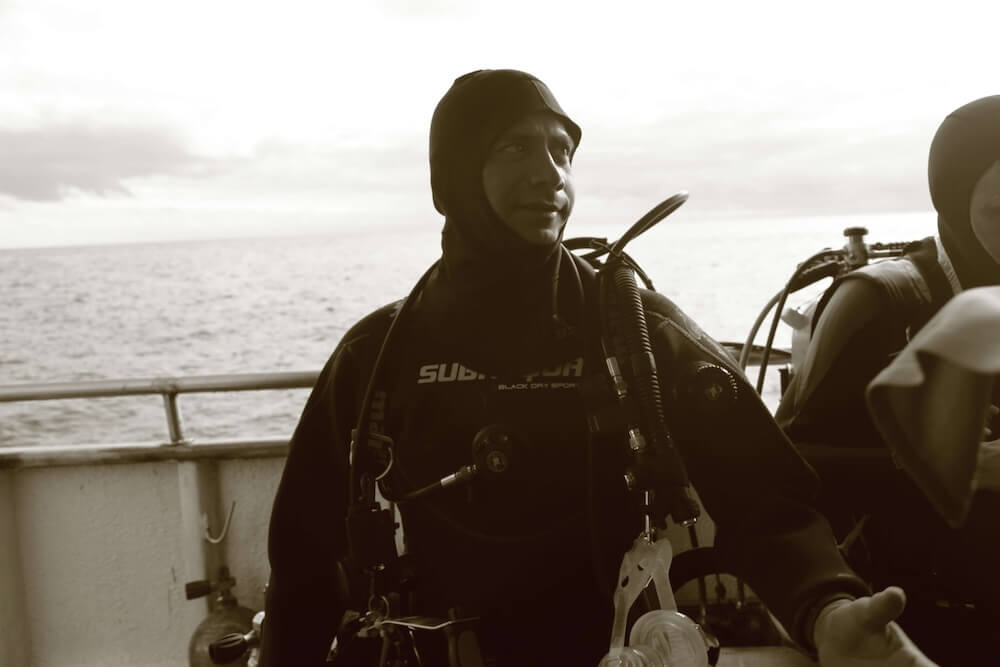
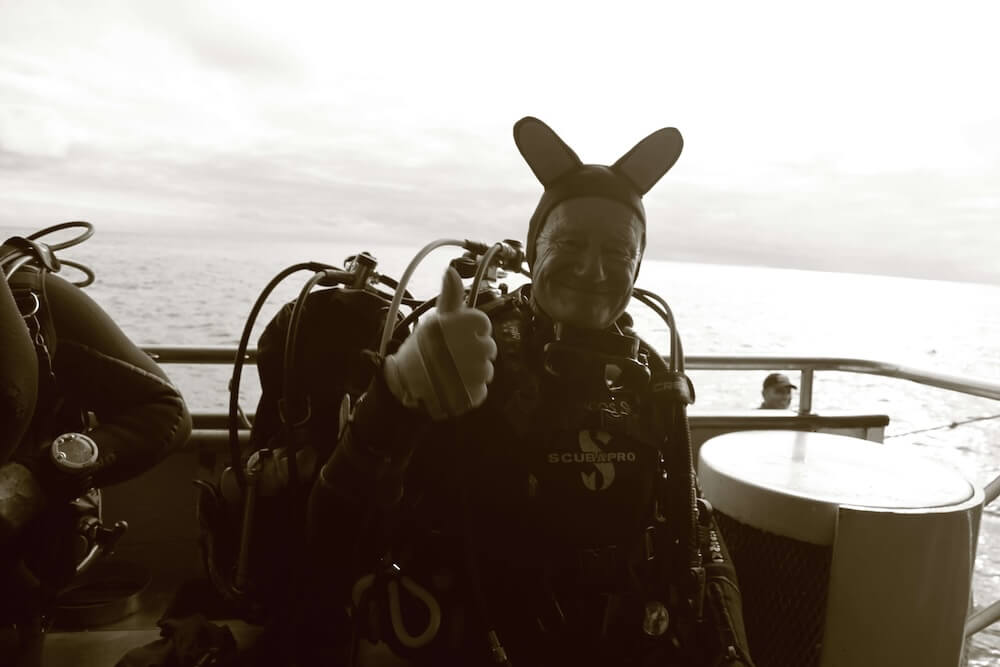
Drysuit diving opens up a world of opportunities, including diving remote Arctic destinations and exploring cold-water dive sites teeming with life. Dry suit diving also keeps you warm on multi-dive days when you do not want to spend your time getting in and out of a cold wetsuit. The Dry Suit Diving specialty program is the best way to become a dry suit diver and teaches you all the knowledge and techniques you need to dive safely and comfortably in a dry suit. You will learn how to use specialized equipment, like dry suits and BCs, the benefits of dry suits and how to deal with dry suit emergencies – which are unique to this type of diving. Upon completion, you will earn the Dry Suit Diving specialty certification.
If you want to stay warm and extend your scuba diving season, diving with a dry suit may be the right decision for you. A dry suit provides comfort and warmth for divers even in extremely cold water. There are incredible diving experiences throughout the world’s cooler regions and in some areas, diving conditions are even better in colder months. Becoming a dry suit diver allows you to expand your boundaries and dive more places, more often.
TSC carries high-quality dry suits that will be used to teach you. You will learn the differences between the types of dry suits available in the dive industry today and learn how to choose a dry suit for yourself by understanding the differences in design, materials and functionality. You will learn how to put on and take off your dry suit whilst also learning about underwear layering for additional thermal protection. You will learn how to dive in your dry suit whilst also learning how to adjust your BCD and regulator set up for dry suit diving. During two dives, in addition to a confined water (pool) dive, you’ll practice:
The Dry Suit specialty course is one of TSC’s most challenging courses due to the complexity of learning to dive with a dry suit. At times we may deal with more difficult diving conditions during the training dives, i.e. colder water temperatures, surface waves and low visibility. Additionally, dry suit diving requires wearing more weight than wetsuit diving (16-30 lbs is common). TSC’s prerequisites include:
Is it also recommended although not mandatory that divers have prior experience diving with a hood and gloves.
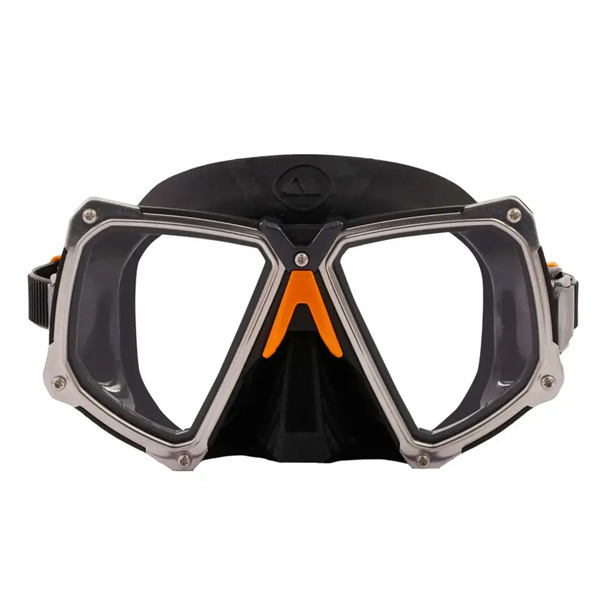
The TSC Dry Suit certification course fee includes the academic eLearning digital materials, instruction, use of a dry suit, dry suit fins, hood/gloves, tanks and weights. On completion students will receive the Dry Suit Diver specialty certification card. Students are required to have their own mask and snorkel for this course.
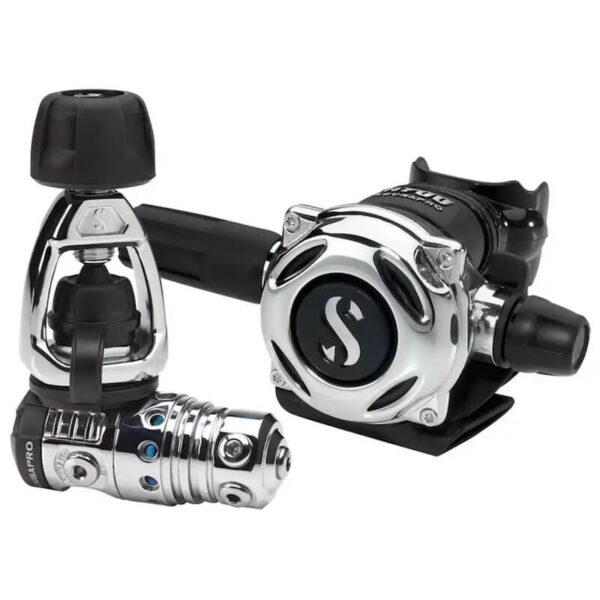
BCD, regulators and dive computers are available to rent. Students who have their own BCD are often more comfortable learning to use the dry suit because they are more familiar with their gear. If you are using your own BCD, we will check the size to make sure it accommodates the dry suit.
We will do our best to have available and correctly size all students for dry suits and thermal underwear. Our rental dry suits range in sizes from small to x-large but due to the expense of drysuits, sizes and numbers are more limited than wetsuits. In the event students book a date and require a size that has been already booked we may need to reschedule the date.